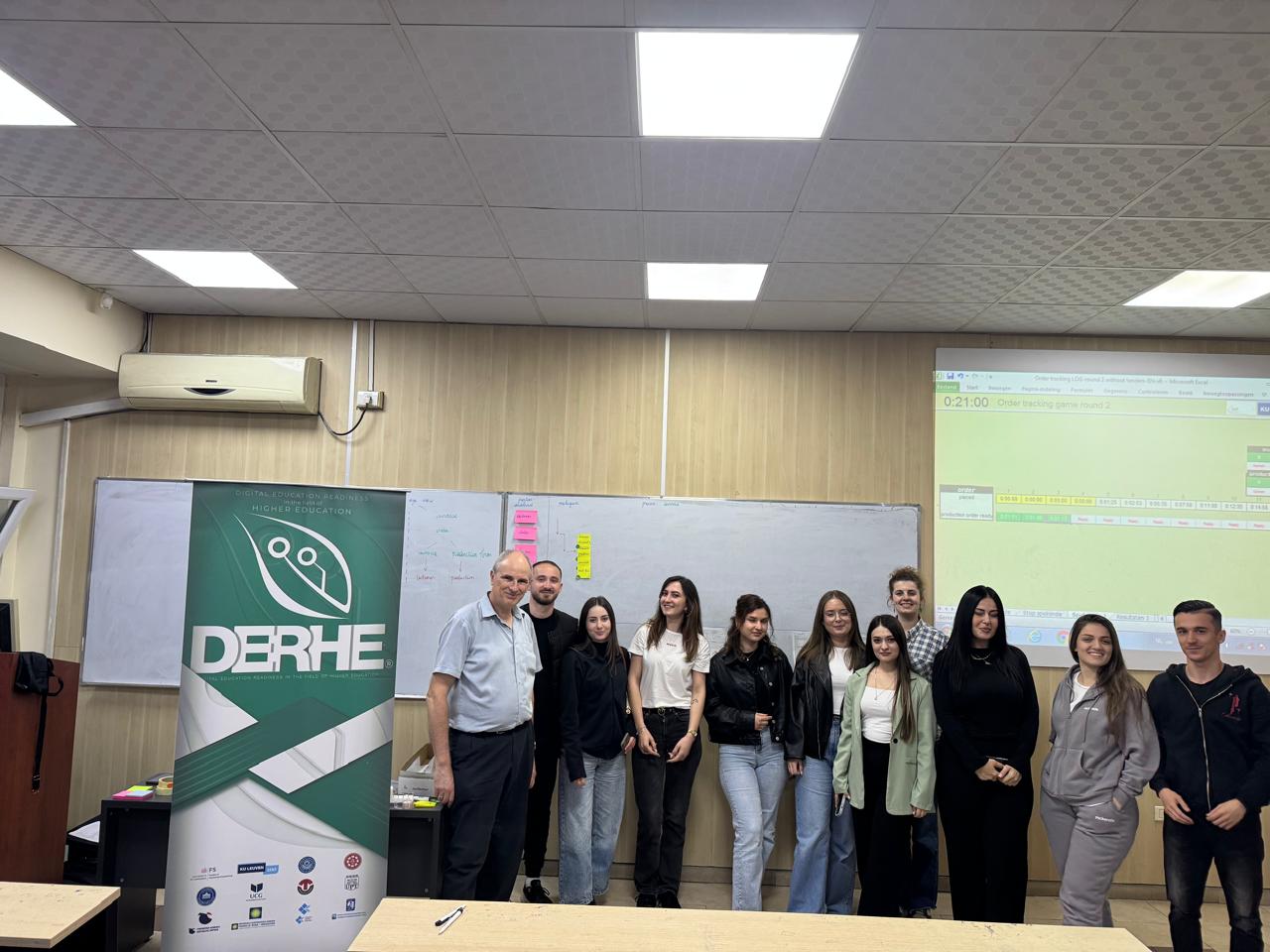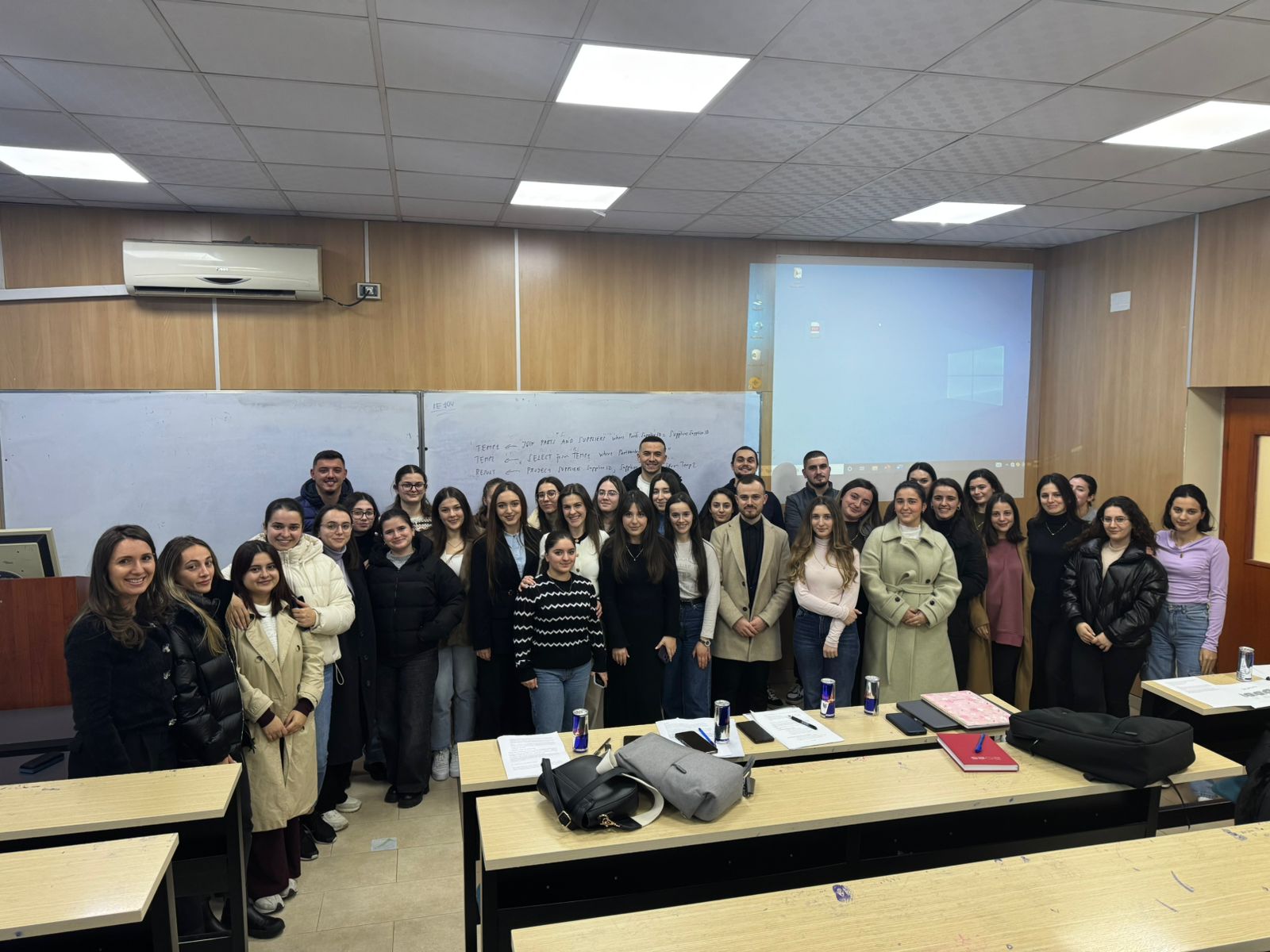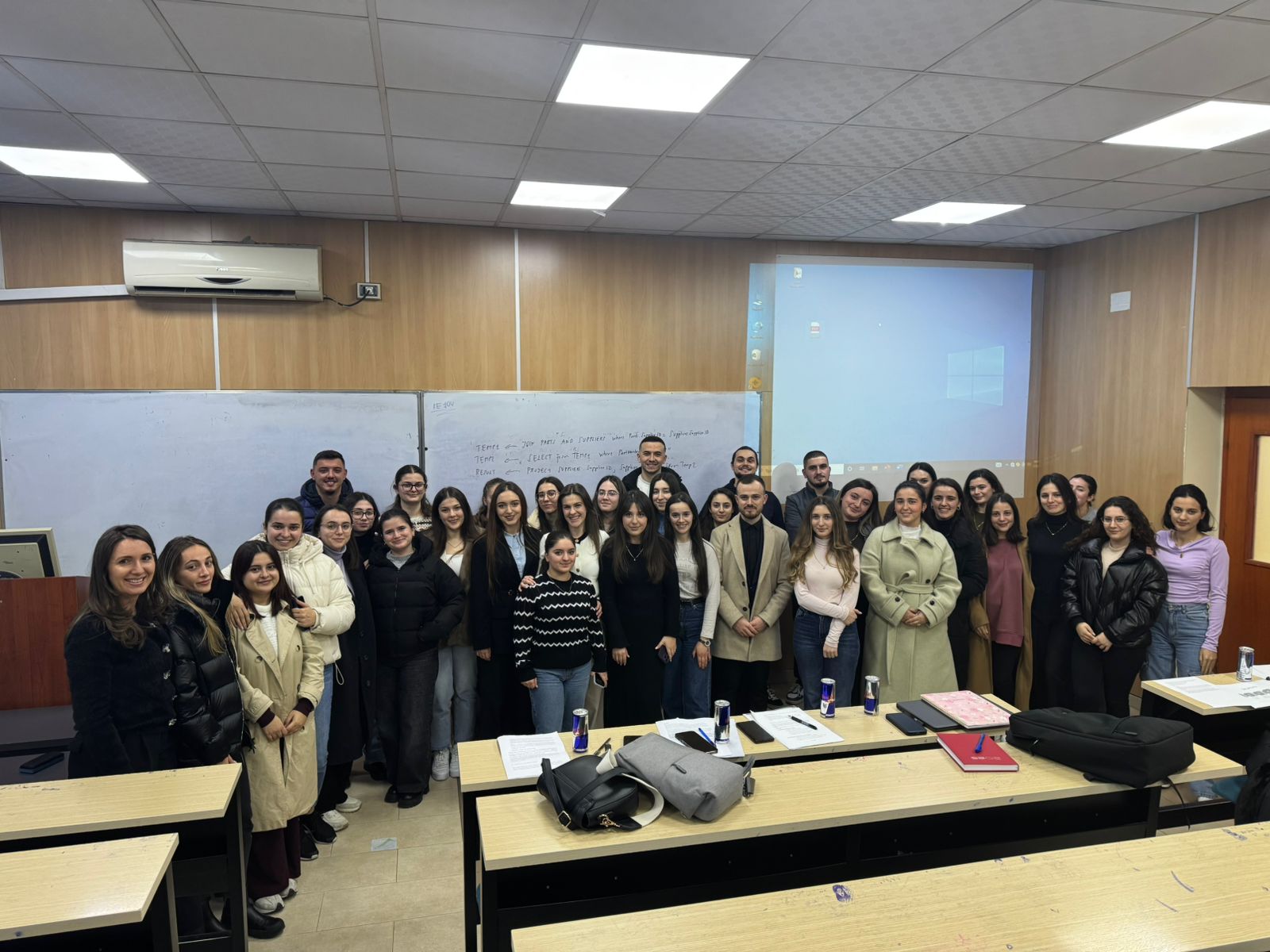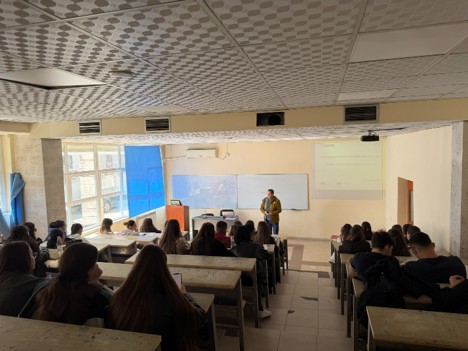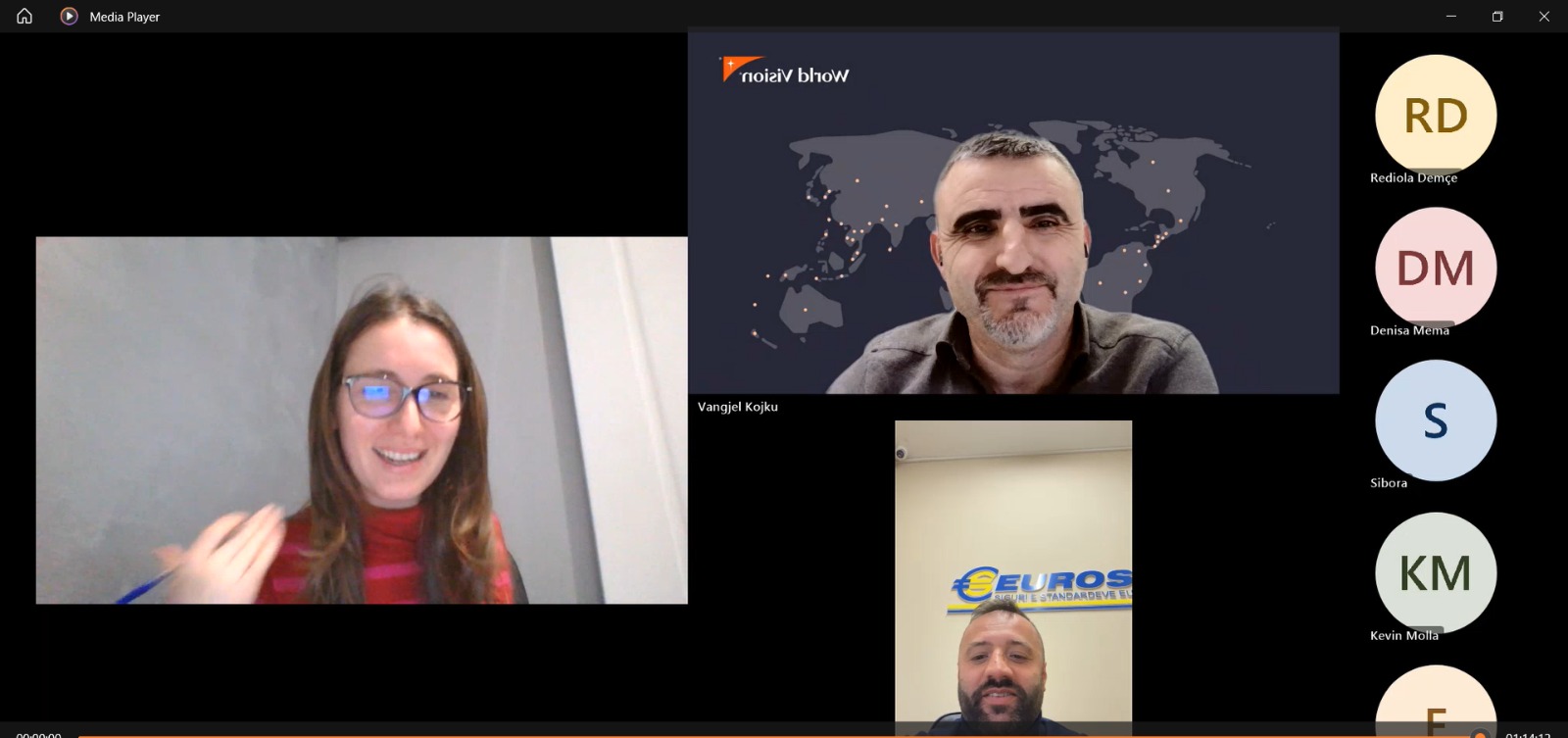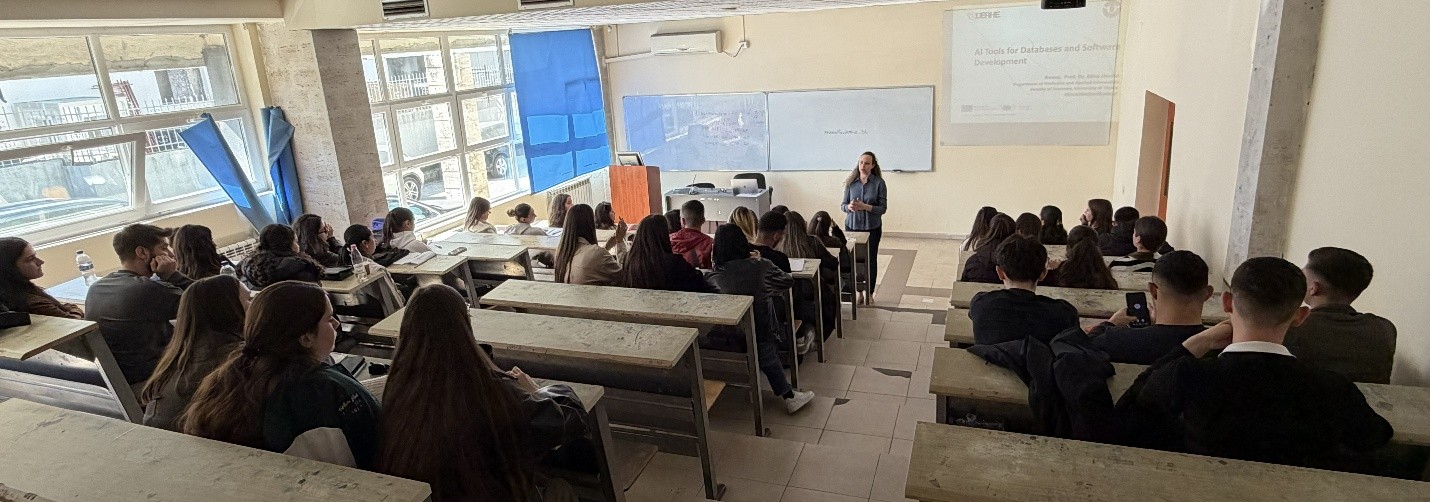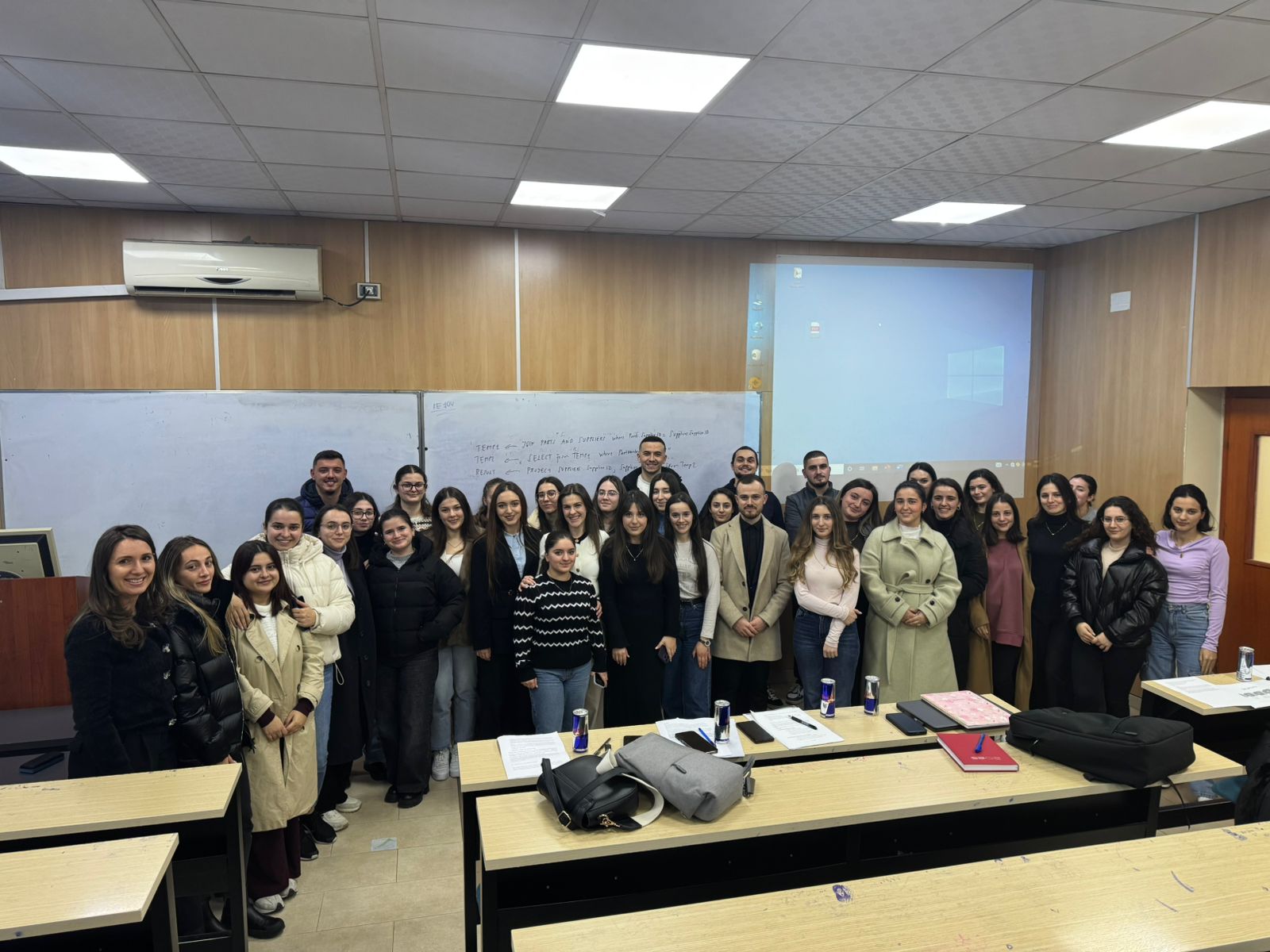
The Faculty of Economics, University of Tirana, completed eight extracurricular courses for students within the Erasmus+ DERHE project. Delivered during 2024–2026, the courses complemented regular university studies with practical learning in project planning, Lean Management, operations management, Artificial Intelligence and Cybersecurity.
The programme connected academic concepts with professional tasks through exercises, case studies, group work and interactive activities. Courses were delivered by FEUT academic staff, with contributions from European partner expertise.
Developing Management and Digital Skills
Courses in Project Planning and Scheduling introduced students to organising activities, sequencing tasks and developing project schedules. Practical exercises helped them explore how planning tools can support the coordination of time and resources.
Facility Layout and Operations Management addressed the organisation of production and operational processes. Students considered how the arrangement of activities and resources can influence workflow and efficiency.
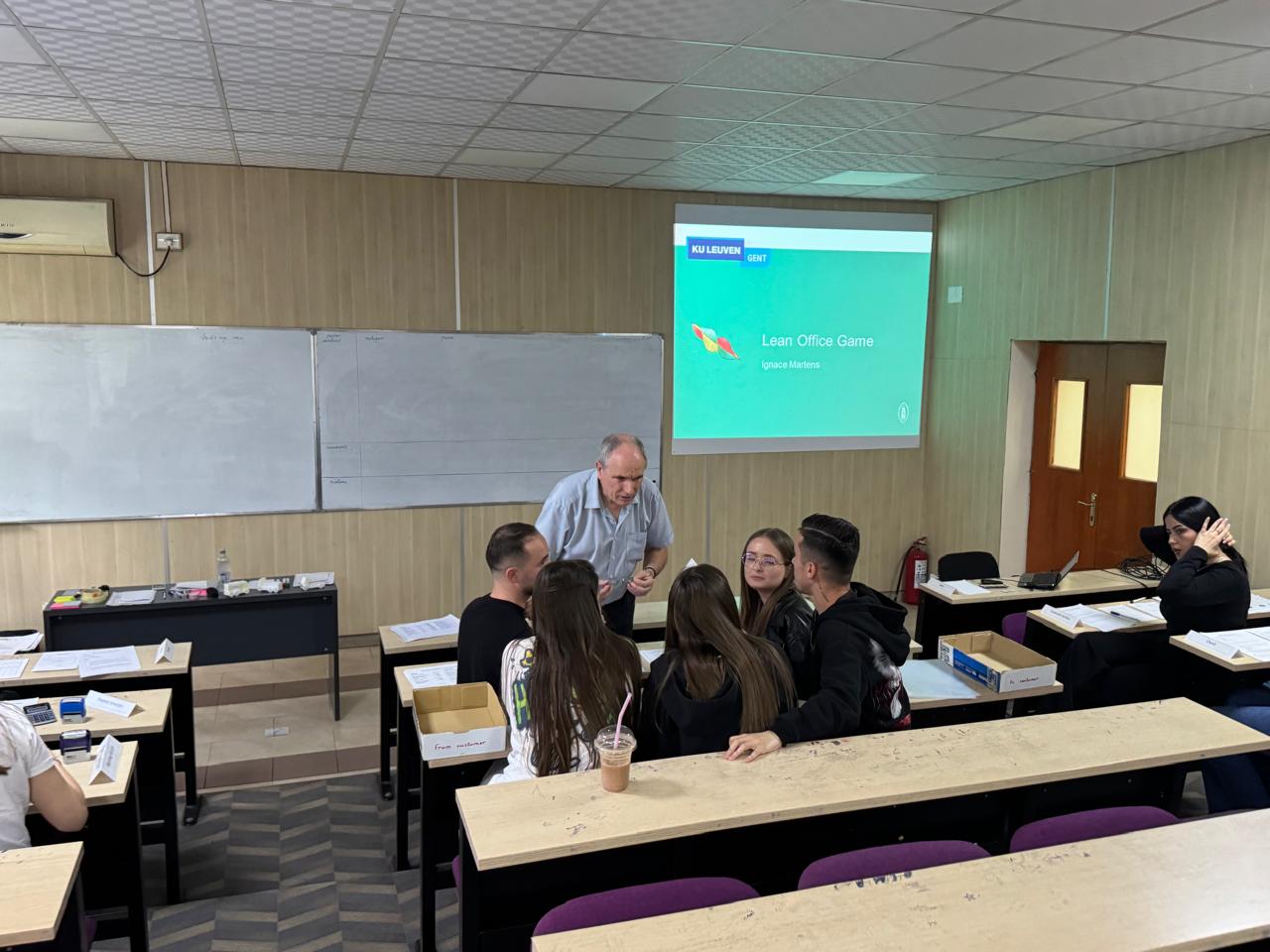
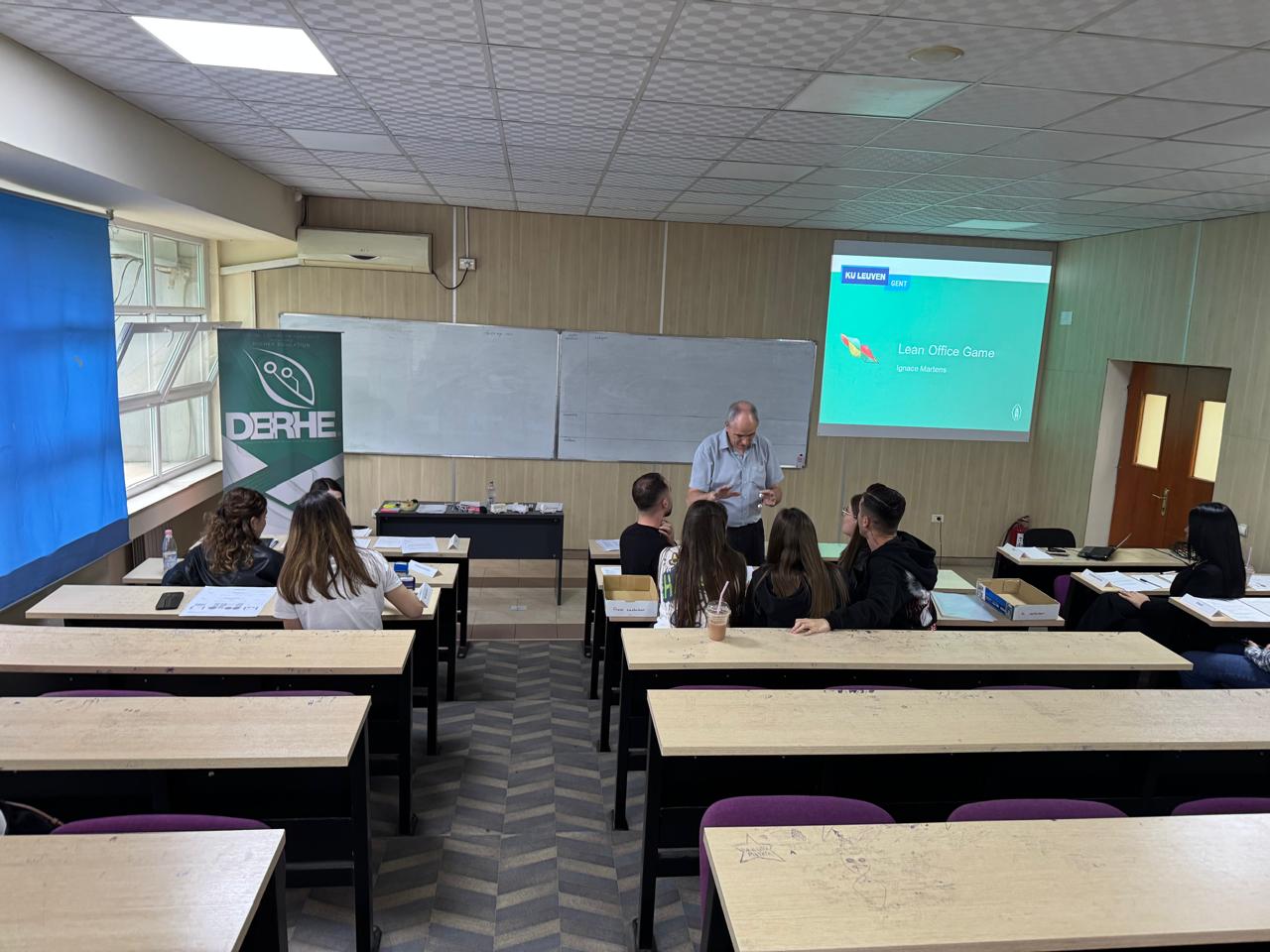
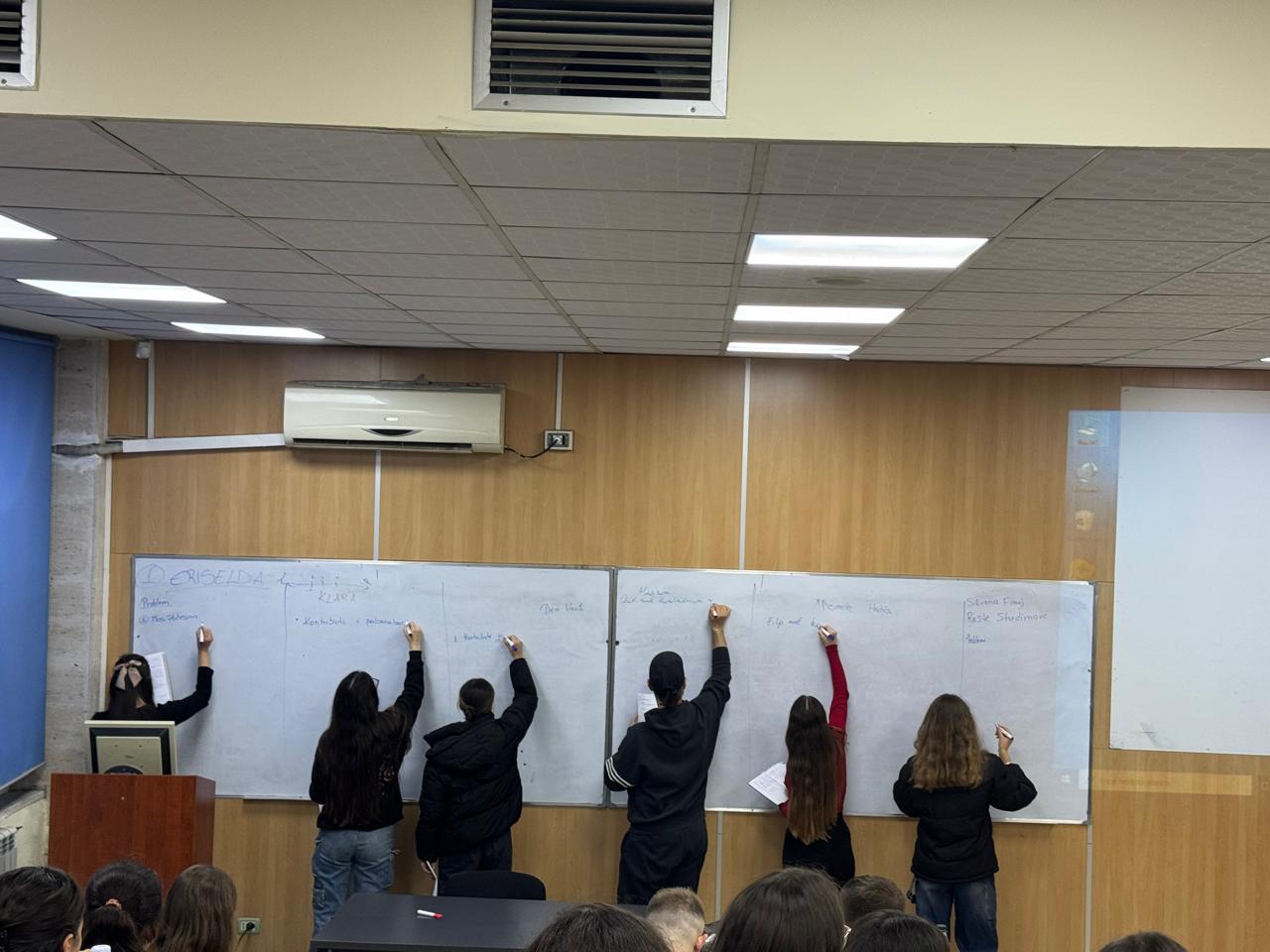
The Lean Management courses explored ways to identify waste and improve processes. A dedicated Lean Office Game provided an interactive setting in which students could examine office workflows, identify delays and discuss improvements. The activity connected Lean principles with situations relevant to administrative and professional work.
Digital skills were addressed through AI Tools for Databases and Software Development, which introduced applications of Artificial Intelligence relevant to students’ studies and future professional practice. The course “Cybersecurity: How Hackers Actually Hack You” examined cybersecurity threats and approaches to protecting digital information and systems.
Learning through Practice
Across the programme, students were encouraged to participate actively, discuss alternative approaches and apply concepts to practical tasks. Case studies connected course content with organisational challenges, while group activities created opportunities to practise teamwork and problem-solving.
The courses supported DERHE’s objective of strengthening students’ practical and digital skills and connecting higher education with workplace needs. The teaching materials and activities developed also provide resources that can be reused and adapted within future university teaching.
Learning resources are available through the DERHE Moodle platform.
Attachments